You can delete a user on your MacBook Air by going to the Users & Groups preference pane in System Preferences and selecting the user you want to delete. Then, click the minus sign (-) at the bottom of the list. You will be prompted to confirm that you want to delete the selected user, and all of their files will be deleted as well.
Deleting a user from your Macbook Air is easy! Here’s how:
1. Open System Preferences and click on Accounts.
2. Select the user you want to delete from the list of users.
3. Click the minus sign (-) at the bottom of the window to delete the user.
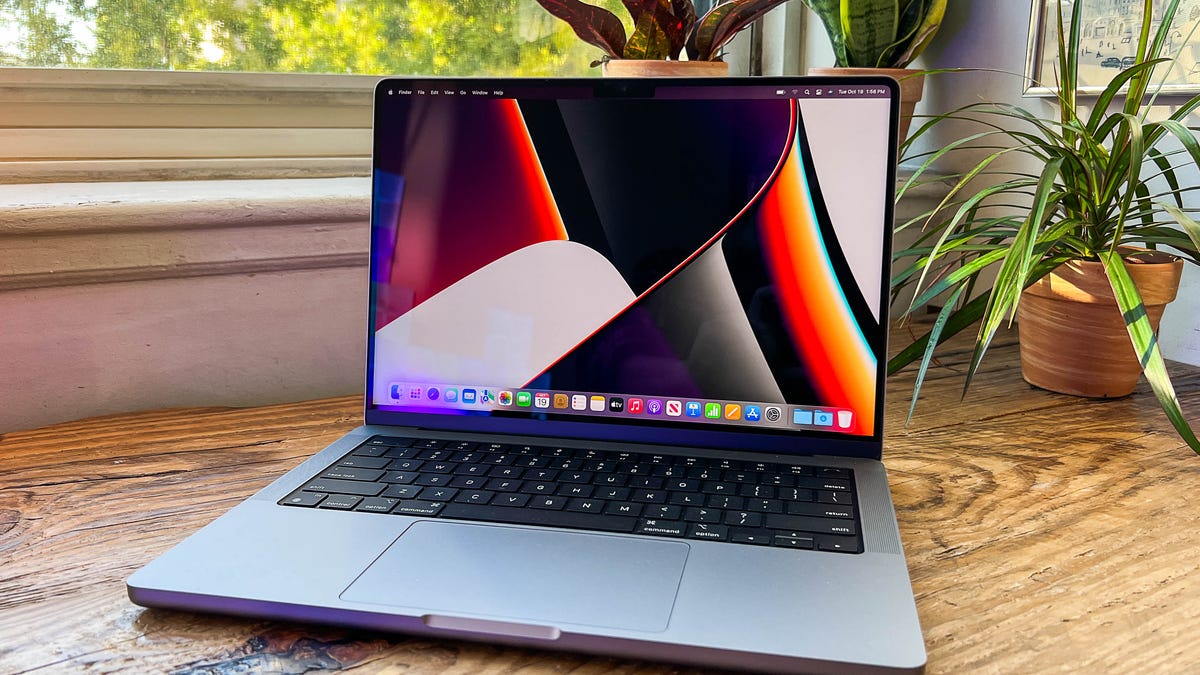
Credit: www.cnet.com
Why Can’T I Remove a User from My Mac?
If you’re the administrator of a Mac, you can remove other users from the machine. But if you’re not an admin, or if the admin has disabled that ability for your account, you won’t be able to remove users. Here’s a look at why that is and what you can do about it.
The first thing to understand is that there are two types of accounts on a Mac: standard and administrator. Standard accounts are limited in what they can do, while administrator accounts have full control over the machine. By default, the first user account created on a Mac is an administrator account.
So, if you’re not an administrator, you won’t be able to remove any other users from the machine. You’ll need to ask an administrator to do it for you.
However, even if you are an administrator, there’s another potential obstacle: The option to delete users may have been disabled by another administrator.
This is usually done for security reasons, as it prevents unauthorized deletion of accounts. If this option has been disabled, you’ll need to enable it before you can delete any users.
To do this, open System Preferences and click on “Users & Groups.”
Then click on the “Lock” icon in the bottom left corner and enter your password when prompted. This will unlock all of the options in Users & Groups so that they can be changed.
Once unlocked, select the user that you want to delete and click on the “-” button at the bottom of the list (it looks like a minus sign).
This will remove the user from your system and free up their home folder for use by someone else (or for deletion).
Does Deleting a Mac User Delete Everything?
When you delete a user from your Mac, that user’s account is removed from the system. However, their home folder and any files they have stored on the computer are not deleted. If you want to completely remove a user and all of their files from your Mac, you’ll need to manually delete their home folder.
How Do I Remove Someone from My Mac?
If you want to remove a user from your Mac, there are a few different ways you can go about it. Here are some instructions on how to remove a user from your Mac. First, if the user is still logged in, have them log out of their account.
Once they are logged out, go to System Preferences > Users & Groups. Select the user you want to delete and click the “-” button at the bottom of the list. This will delete the selected user from your Mac.
If the user is no longer logged in, or if you’re trying to delete an administrator account, you’ll need to use Terminal. To do this, open Terminal (located in Applications > Utilities) and type in these commands: sudo dscl .
-delete /Users/username sudo rm -rf /Users/username Replace “username” with the actual username of the account you’re trying to delete.
This will completely remove the specified user from your Mac, including all their files and folders. Be careful when using Terminal as any mistakes could potentially cause damage to your system.
How to Delete Admin User on Macbook
If you’re looking to delete an admin user on your Macbook, there are a few different ways you can go about it. One option is to use the Terminal application to enter a specific command that will remove the user. Another option is to use the System Preferences application to remove the user through the Users & Groups pane.
No matter which method you choose, you’ll need to be logged in as an administrator in order to delete another admin user. If you’re not sure how to do this, simply open up the Terminal application and enter the following command: su root . You’ll be prompted for your password, so enter it and hit return.
Now you should be able to follow along with either of the methods below.
Method 1: Deleting an Admin User from Terminal
This first method involves using the dscl utility in Terminal.
Start by entering the following command into Terminal: dscl . /Local/Default -list /Users | grep -v _mbsetupuser . This will list all of the users on your system, except for _mbsetupuser (which is a special user that’s created during setup).
Next, find the name of the admin user that you want to delete from this list and copy it somewhere safe. Then, enter the following command into Terminal, replacing with the name of your admin user: dscl . -delete /Users/
You should now see a message saying that has been deleted successfully. Exit out of Terminal and restart your computer –the admin user should now be gone!
Method 2: Deleting an Admin User from System Preferences
If you’d rather avoid using Terminal, you can also delete an admin user from System Preferences. First, open up System Preferences and click on Users & Groups.
How to Delete Admin User on Mac Without Password
If you’re looking to delete an admin user on your Mac without a password, there are a few different ways you can go about it. One option is to use the “dscl” command in Terminal. This will allow you to list all the users on your system, as well as delete them.
Another option is to boot into single-user mode and then delete the admin user from there. This can be done by holding down Command+S when you boot up your Mac. Once you’re in single-user mode, you can use the “passwd” command to change the root password and then use that password to delete the admin user.
Of course, if you know the password for the admin user, you can simply log in and delete the account from System Preferences > Users & Groups.
Whichever method you choose, make sure you know what you’re doing before proceeding. deleting an admin user can have serious consequences if not done properly!
Why Can’T I Delete a User on My Mac
If you’ve ever tried to delete a user on your Mac, you may have noticed that the option is greyed out. This is because it’s not possible to delete a user on a Mac – at least, not without some serious hacking.
So why can’t you delete a user on a Mac?
There are a few possible reasons:
1. To prevent accidental deletion of users. If the option to delete a user was readily available, it would be all too easy to accidentally delete someone’s account.
This could lead to all sorts of problems, so it’s better to err on the side of caution and make it impossible to delete a user outright.
2. Because deleting a user would also delete their home folder. On a Mac, each user has their own home folder where they store their files and personal settings.
If you deleted a user, their home folder would also be deleted – and all of their files along with it. This could cause major data loss, so it’s not something that Apple wants users to be able to do easily.
3. To make sure that all data associated with a user is properly deleted.
If you simply deleting a user account, there would still be various bits of data left behind – for example, in the system logs or application preferences files. To truly remove everything associated with a particular user, you need to use special tools like Terminal commands or third-party deletion utilities. Otherwise, there’s always the risk that someone could recover the data later on down the road.
Does Deleting a User on Mac Delete Files
When you delete a user on Mac, their files are not automatically deleted. However, if you delete the user’s home folder, that will delete all of their files.
Conclusion
If you need to delete a user on your Macbook Air, here’s how:
1. Go to the System Preferences.
2. Click on Users & Groups.
3. Select the user you want to delete in the list of users.
4. Click the minus sign (-) at the bottom of the list to delete the user.